Groveland FL Asbestos Testing: Which Renovations in Older Lake County Homes Can Disturb Hidden Materials?
@cleanuprepair484
October 18, 2026 · 13 min read
If you own an older home in Groveland, it is easy to focus on the fun part of remodeling. New cabinets, better lighting, a more open layout, updated flooring, a cleaner-smelling house after years of humidity. What often gets missed is the point where a straightforward renovation crosses into hazardous-material territory.
That matters in Lake County. Groveland homes deal with long humid seasons, heavy rain, and the occasional storm event that pushes small defects into big repair jobs. A roof leak becomes ceiling work. A plumbing leak becomes a bathroom rebuild. An old air-conditioning problem turns into opening walls or soffits. Once demolition starts, hidden materials can be disturbed, and that is where Groveland FL asbestos testing becomes part of a smart renovation plan rather than an afterthought.
Older homes can also have more than one issue at the same time. A family may start with a kitchen remodel, discover moisture staining, then learn the HVAC has not been controlling humidity properly. Or a storm-damaged room may need drying, material removal, and reconstruction. In those situations, asbestos questions often show up beside other cleanup concerns such as mold removal Groveland, HVAC mold remediation, water damage cleanup Central Florida, or even odor removal after long-term dampness. The projects blend together in real life, even if they are handled by different specialists.
Why renovation plans change once demolition enters the picture
The moment a project involves cutting, drilling, sanding, breaking, stripping, or removing older building components, the risk changes. It is one thing to paint a room carefully. It is another to tear into it.
EPA guidance is clear on the part that matters most to homeowners: demolition or renovation work on asbestos-containing materials must be handled under applicable rules. That means the risk is not just whether asbestos exists in theory. The practical question is whether your project will disturb material enough to release fibers and trigger a more controlled response.
In older Lake County homes, the projects most likely to create that problem are not always the huge full-house remodels. Sometimes it is the smaller jobs that catch people off guard. A contractor opens a wall to reroute plumbing. A handyman removes damaged material after a leak. A flooring installer starts tearing up old layers to level the subfloor. A homeowner cuts into a chase to improve airflow. None of these sound dramatic, but each one involves disturbing hidden or enclosed building materials.
That is why good planning beats reactive cleanup. Once debris is spread around the home, the conversation gets harder, more expensive, and more stressful.
The kinds of renovations that deserve a closer look
When people ask which renovations in older homes are most likely to disturb hidden asbestos-containing materials, I usually answer by describing the type of work rather than naming one product or one room. Hidden materials are often found only after surfaces are opened. The bigger the disturbance, the more important testing becomes.
Here are the renovation categories that most often justify extra caution:
- Partial or full demolition, especially where walls, ceilings, floors, or enclosed chases are being opened.
- Water-damage repairs that require removal of older materials after leaks, flooding, or storm intrusion.
- Kitchen and bathroom remodels that involve tearing out built-in finishes, replacing plumbing routes, or opening surrounding surfaces.
- HVAC-related work that requires opening concealed areas, replacing damaged materials, or correcting moisture problems around the system.
- Restoration work after fire, smoke, sewage, or hurricane damage, where damaged components have to be stripped out quickly.
Each of those categories deserves its own explanation, because the hazard is not always obvious at the start.
Water damage repairs are one of the most common triggers in Groveland
In Central Florida, moisture drives a lot of renovation decisions. The local pattern is familiar: a roof leak during heavy rain, a window or wall intrusion during storm season, a plumbing leak that sat unnoticed, or repeated condensation tied to humidity and air-conditioning issues. Florida health guidance points to common mold sources such as roof leaks, plumbing leaks, condensation, flooding, poor bathroom or kitchen ventilation, and HVAC or drain-pan problems. Once those conditions persist, materials often have to come out.
This is the point where homeowners can get tunnel vision. They see staining, musty odor, visible growth, or soft materials and assume the solution is simply removal. Sometimes that is true, but removal in an older home is exactly when hidden asbestos concerns can surface.
A leak repair can start small and expand fast. A ceiling patch may lead to removing more area than expected. Bathroom repairs often widen when dampness is found around plumbing penetrations. If a home flooded or took on storm water, the damage may extend beyond what is visible. FEMA and CDC flood guidance emphasizes safety, utilities, and contamination risks first. That is sensible advice, because after a flood, you may be dealing with not just wet materials but mold, sewage contamination, and damaged finishes all at once.
Homeowners in this situation often call for emergency restoration services because they need drying and stabilization immediately. That can be the right move, but the restoration plan still has to respect any hazardous-material issues tied to demolition. Speed matters after water intrusion, but so does judgment.
Mold is often the symptom, not the whole story
A lot of people first hear about testing because they called somebody about mold, not asbestos. They noticed a smell, saw discoloration around vents or baseboards, or kept repainting a spot that came back. Florida health guidance says visible mold or recurring mold usually means the underlying moisture source still needs to be fixed. That is one of the most useful pieces of advice a homeowner can hear.
If the moisture source is not corrected, cleanup becomes temporary. A central AC system that is being used to lower indoor humidity below 60 percent should also be examined for problems, according to Florida health guidance. In practice, that means an older Groveland home with recurring mustiness may need more than surface cleaning. It may need moisture diagnosis, HVAC evaluation, and selective demolition to reach wet or contaminated building components.
That is where projects begin to overlap. A homeowner may hire someone for mold removal Groveland, then learn that a section of wall or ceiling has to be opened. Or they may pursue HVAC mold remediation because odor is strongest when the system runs, only to discover that condensation or drainage issues affected nearby materials. Once demolition enters the scope, asbestos questions matter again.
I have seen people assume that mold urgency means every affected material should come out immediately. Sometimes rapid action is necessary, especially after significant water events. But in older homes, tearing first and asking questions later can create a second problem while trying to solve the first.
Kitchens, baths, and “simple updates” can get complicated fast
The renovation work that surprises homeowners most is the ordinary remodeling they have planned for years. Kitchens and bathrooms are especially common because they combine moisture, age, and invasive construction.
A bathroom refresh becomes a tear-out. The vanity comes out, then the wall behind it opens for plumbing work, then the flooring has to be removed because there is hidden damage at the toilet flange or tub edge. A kitchen remodel can follow the same pattern once old cabinets come off the wall and concealed damage is found near the sink or dishwasher area.
The risk is not that every older kitchen or bath contains asbestos. The risk is that these projects routinely disturb older building materials, often with saws, pry bars, scraping, and demolition. If your home is older and the project goes beyond replacing fixtures or painting, Groveland FL asbestos testing is worth considering before crews start breaking into original materials.
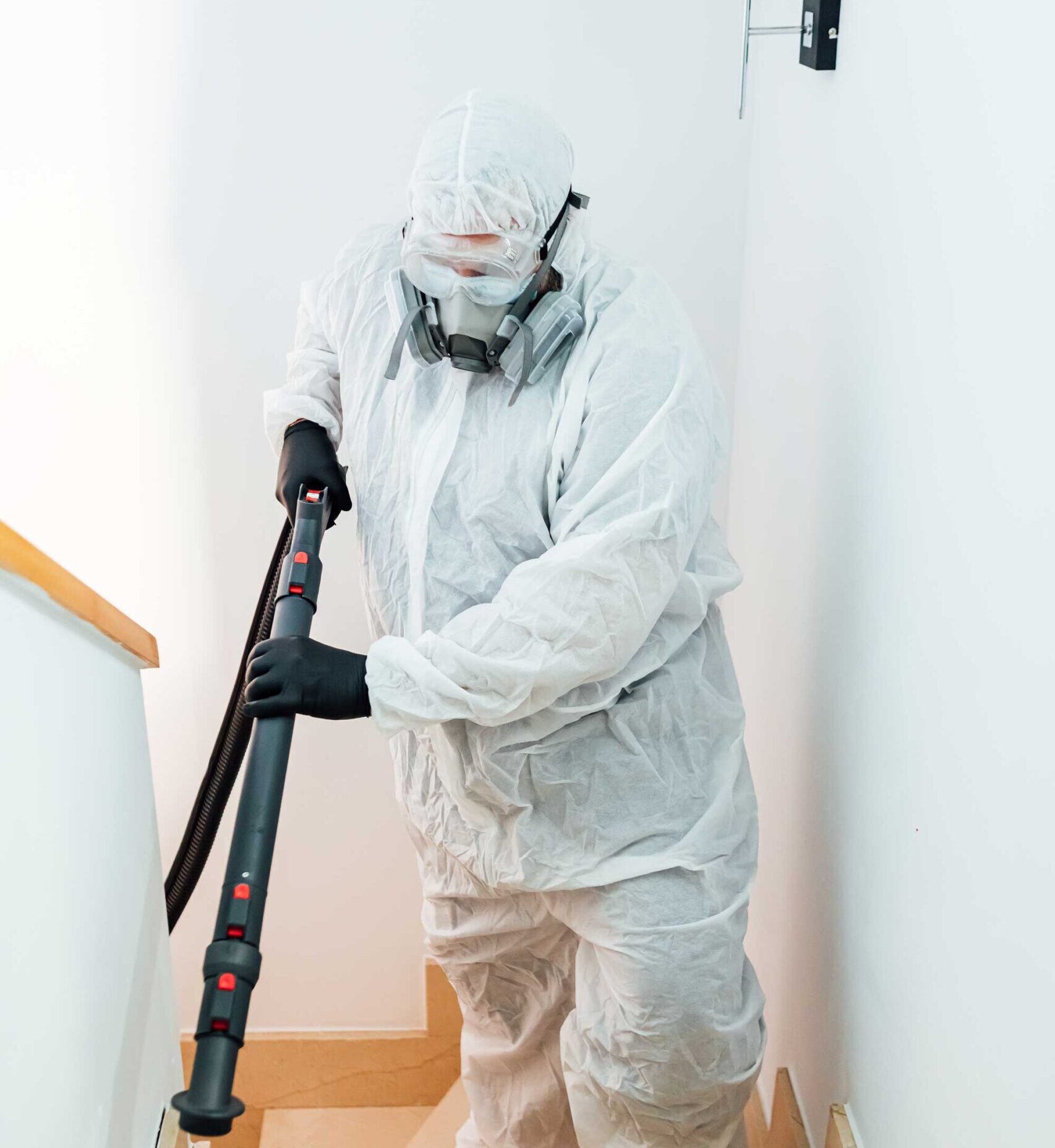
There is another issue homeowners should remember here. If the home was built before 1978, lead-based paint may also be present, and renovation, repair, or painting can disturb hazardous materials. That does not replace the asbestos question. It sits beside it. Older-home remodeling often requires thinking about both at the same time.
Storm, flood, and hurricane repairs can hide more than moisture
Groveland homeowners do not need a lecture on weather. Heavy rain and hurricane season can turn a manageable repair into a whole-house recovery effort. A roof opening, wind-driven rain, or flooding can set off a chain reaction: water intrusion, musty odor, visible mold, damaged finishes, soaked contents, and rushed contractor availability.
That is when people are most vulnerable to skipping steps. After a major event, they want the house dry, safe, and livable again. Understandably so. But hurricane damage restoration Florida often involves opening damaged areas quickly, and not every damaged area should be treated the same way.
Flood guidance from FEMA and CDC stresses safety first, including utilities and contamination risks. If flood or storm water entered the home, materials may not just be wet. They may be contaminated. CDC guidance also warns that food exposed to flood or storm water should be discarded, and that generators must be used carefully because of fire and carbon-monoxide risks. Those details matter because storm cleanup is never just about construction. It is about health and safety at every stage.
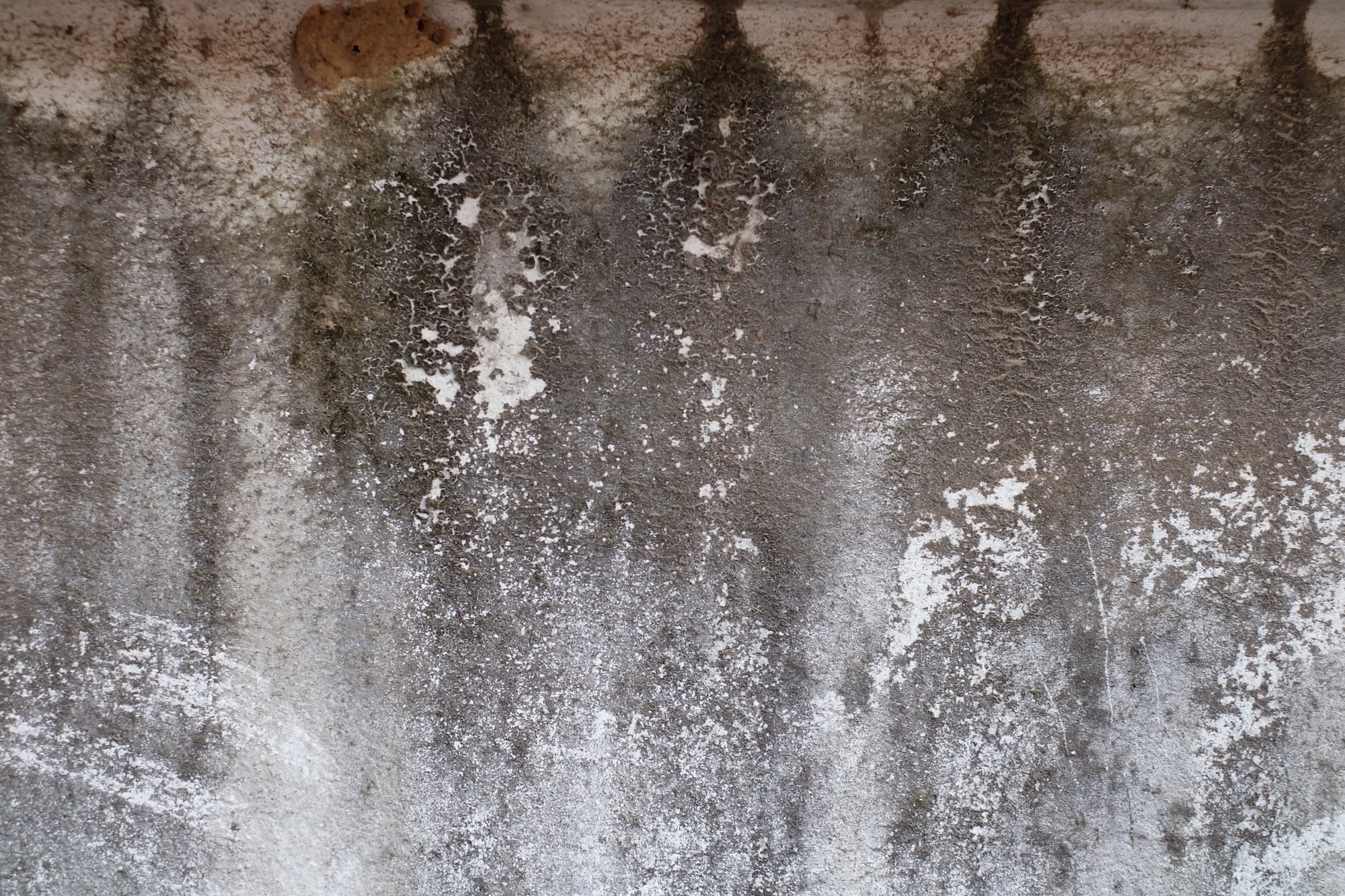
Once the property is stable, documentation becomes important. FEMA recovery guidance says homeowners should document damage and coordinate with their insurer during cleanup and repairs after flood, storm, smoke, or fire events. NAIC consumer guidance also reminds homeowners that insurance is a legal contract, and it helps to ask questions, understand coverage, and keep an inventory. That is practical advice when a repair job may involve multiple scopes, from drying and debris removal to testing and final rebuilding.
Fire, smoke, and sewage losses create their own complications
Not every older-home project starts as a planned renovation. Some begin after a crisis.
After a fire, the first 24 hours are important for safety checks, salvaging what is safe, and starting insurance and recovery steps. That urgency can push people toward immediate strip-out work. Sometimes a charred or smoke-damaged area does need prompt action, but older building materials should not be disturbed casually just because the loss itself is dramatic. Fire and smoke damage cleanup often overlaps with demolition, odor treatment, and reconstruction, which means the work needs sequencing and control.
Sewage is similar in one respect and very different in another. CDC guidance says sewage backups create health hazards, so cleanup should use protective precautions and affected areas should be isolated during cleanup. In a sewage loss, contamination control is the first priority. Still, if the cleanup requires removing older materials, you may be dealing with both a biological hazard and a hazardous-material concern in the same footprint.
This is one reason homeowners often do best with a remediation company Lake County that understands where one problem ends and another begins. A company may handle drying, isolation, odor removal, and contamination cleanup, but asbestos-related disturbance has its own rules and should not be blurred into general tear-out just because the site is already messy.
What homeowners should do before the first wall comes down
The most useful mindset is simple: if the home is older and your project involves find out more disturbing original materials, slow down long enough to ask whether testing belongs in the plan.
That does not mean every house needs a major pre-construction investigation for every cosmetic change. It means being honest about scope. Painting intact surfaces is different from demolition. Swapping decor is different from opening cavities. Replacing a fixture is different from removing layers of built materials around it.
A careful pre-renovation approach usually looks like this:
- Define the real scope of work, including any cutting, removal, wall opening, or demolition.
- Identify whether the home is older and whether original materials are likely to be disturbed.
- Coordinate early if the project also involves water intrusion, mold, sewage, smoke, or storm damage.
- Document conditions and talk with your insurer when the work follows a covered loss.
- Use properly qualified professionals when testing, remediation, or major cleanup is involved.
That fourth point gets overlooked. People often think insurance discussions happen after cleanup, but documentation and communication are easier before debris piles up and conditions change.
Why “we’ll see what’s behind it” is not a real strategy
Homeowners hear this phrase all the time during remodeling. Sometimes it is said casually, sometimes with good intentions. In small doses, it reflects reality. Renovation does reveal surprises. But as a planning philosophy, it falls apart in older homes.
If the surprise behind the wall is water staining, then you need to trace the moisture source. If it is visible mold, Florida health guidance says the moisture problem still has to be fixed or the issue will recur. If it is contamination after a flood or sewage backup, isolation and protective cleanup matter. If demolition may disturb asbestos-containing material, applicable rules come into play. And if the home dates to before 1978, lead-based paint may also be part of the equation.
In other words, “we’ll see” is not the issue. The issue is whether you are prepared for what happens next.
A strong plan leaves room for surprises without pretending every surprise can be handled the same way. That is where good contractors and experienced restoration teams earn their keep. The best ones do not simply swing hammers faster. They stop when conditions call for a different lane of expertise.
Choosing help when the project crosses from remodeling into remediation
Once a project includes moisture damage, visible mold, storm loss, smoke, or contamination, homeowners often need more than a standard remodel crew. The challenge is knowing where the handoff belongs.
For mold concerns in Florida, licensure for mold assessor and mold remediator work is handled by the Florida Department of Business and Professional Regulation. That is relevant because moisture problems often sit at the center of these cases. If the AC system is part of the humidity-control strategy in the house, and the house still feels damp or smells musty, the system should be examined for problems. That is especially true when occupants are trying to keep indoor humidity below 60 percent and not getting good results.
A sensible project in Groveland may involve several tracks at once: stopping the leak, drying the structure, evaluating HVAC performance, addressing mold correctly, documenting insurance-related loss, and deciding whether demolition in older materials requires asbestos testing. That is a lot to coordinate, which is why homeowners often seek emergency restoration services first and build the full repair scope from there.
The trick is not to let urgency flatten every issue into “rip it all out.” Some materials may need immediate removal because they are unsafe or badly contaminated. Others may need evaluation first. Experienced people know the difference.
The practical takeaway for older Groveland homes
If your Lake County home is older and the renovation involves more than surface-level updates, assume demolition changes the risk. That is true for planned remodels and even more true for repairs after leaks, flooding, storms, smoke, or sewage events.
The projects most likely to disturb hidden materials are the ones that open the building up. Wall removal, ceiling access, floor tear-outs, plumbing reroutes, HVAC-related opening of chases or surrounding materials, and post-damage strip-outs all deserve a more careful look. In Groveland, where moisture events are common and storm recovery can move fast, that caution is not red tape. It is good homeownership.
The right sequence often saves money and aggravation. Stabilize the property. Address immediate safety concerns. Document damage when insurance may be involved. Fix the moisture source if mold or dampness is part of the story. Then make smart decisions about testing and controlled demolition before broad tear-out begins.
That approach works whether you are planning a bathroom remodel, recovering from a leak, booking water damage cleanup Central Florida, dealing with fire and smoke damage cleanup, managing sewage cleanup, or sorting out the aftermath of hurricane damage restoration Florida. Different problems, same basic principle: in an older home, what you disturb matters just as much as what you replace.
And if a contractor shrugs off that question entirely, that is useful information too.